Win against maternal mortality: Kenya okays use of drug to prevent excessive bleeding at all health facilities
For the first time, public clinics across the country can stock tranexamic acid and heat-stable carbetocin, medicines that do not require refrigeration to prevent or treat PPH, the country’s deadliest childbirth complication.


Kenya has allowed the use of a drug that prevents excessive bleeding, the biggest killer of mothers during childbirth, to be administered at all health facilities in the latest push to deal with maternal mortalities in the country.
To ensure quality, the government had restricted the use of the medicines that prevent life-threatening excessive bleeding during childbirth (post-partum haemorrhage, or PPH) to referral hospitals, Level 4 and above.
With mounting evidence that mothers die of excessive bleeding during referral from a lower facility to a higher one, the government has now permitted the use of the medicines in all levels of health facilities where women give birth. In the most recent Kenya Essential Medicines List, the Ministry of Health has permitted the use of tranexamic acid (TXA), one of the medicines, in Level 2 and 3 health facilities. Initially, it had been used in Level 4 and above only. While it is not in the list, a project working with the government to reduce deaths through excessive bleeding called AMPLI-PPHI told Defrontera that the government had also allowed the use of heat-stable carbetocin (HSC), another medicine. Healthcare providers use heat-stable carbetocin to prevent PPH and TXA to treat it.
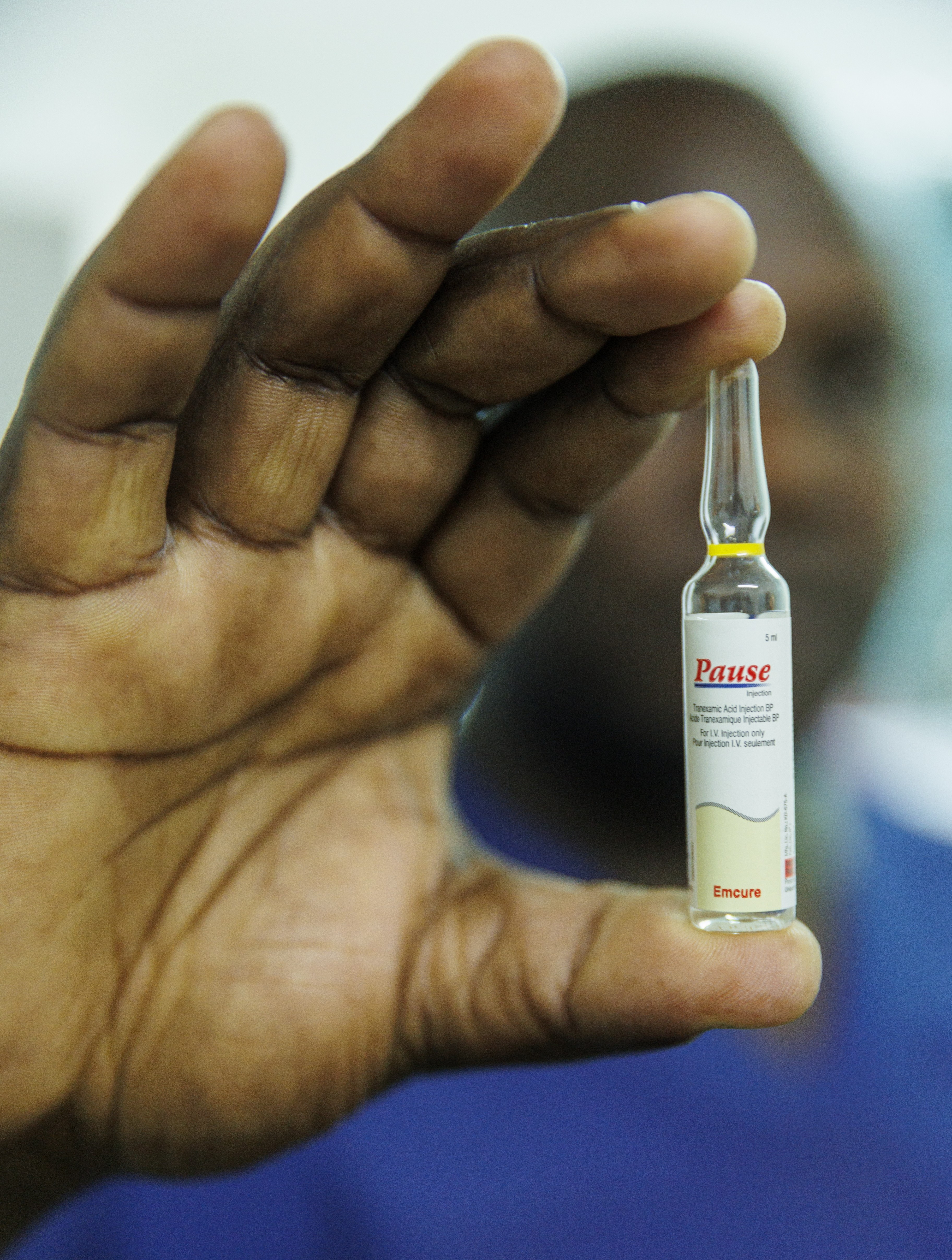
The inclusion of the medicine in the essential medicines list means public hospitals at every level, from small health centres to major referral hospitals, can now stock them, and insurance schemes in the country can pay for care that involves them.
A document AMPLI-PPHI sent to Defrontera read: “Until this package of PPH drugs is sufficiently incorporated into effective supply chains, available at all levels of health and trusted in terms of proper use in real-world settings, World Health Organization guidelines will not achieve full implementation, with needless lives lost in the interim.”
Excessive bleeding after childbirth, known in medical circles as 'post-partum haemorrhage' (PPH), is Kenya’s deadliest complication in childbirth. The government analysed more than 2,500 deaths of mothers that occurred between 2020 and 2022 and reported that PPH was responsible for 2 in every 5 deaths.
READ: Kenya's deadliest and safest counties for childbirth
To save the lives of women with severe PPH, doctors often resort to blood transfusion and, in extreme instances, performing emergency hysterectomies, which is the removal of the uterus.
Challenge of quality
TXA and the HSC are uterotonics, medicines that healthcare workers need to induce contraction of the uterus or make it strong enough to contract, a critical step to prevent PPH. Their frequent stockouts in public health facilities contribute to the deaths of thousands of women in Kenya. Including these two medicines in the essential medicines list is Kenya’s effort to make the medication available.
Even when they are available, they are of poor quality due to how they are stored and handled. In a study of 1,890 uterotonic samples used in countries including Kenya, nearly half of the samples were of low quality.
Oxytocin, Kenya’s first choice of medicine to prevent and treat PPH, must be stored and transported at between 2 and 8 degrees Celsius if it is to be effective. Refrigeration is challenging in many parts of Kenya that are arid, hot, and have an erratic electricity supply. The manufacturing of the medicines used is also questionable. A 2020 study found that oxytocin and TXA were “substandard”: they either had less of the pharmaceutical content for them to be effective or were handled poorly.
Michael Mwiti, a midwife and the Kenya project lead for AMPLI-PPHI, told Defrontera: “When the medicine is of low quality, it is like injecting the mother with water.”
Affordable, easy to store
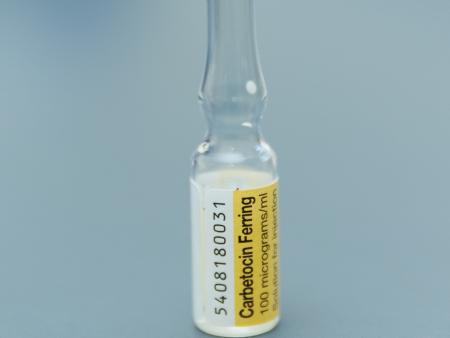
Heat-stable carbetocin does not require refrigeration. The medicine was previously available in private hospitals with the brand name Pabal and would cost as much as KES 1,400 (about $11) per dose, far out of reach for public health facilities. The pressure from professional associations and other health non-profits led the government to procure the medicine on a large scale and supply it to the counties for just KES 92 per dose (less than $1).
Developed in the 1950s, tranexamic acid is not new in medical care. It has been sold as a treatment for heavy menstrual periods and an ingredient in skin-whitening creams. Doctors have also used it during oral surgeries on people who are haemophiliac, with a genetic bleeding disorder where the blood doesn't clot properly.
However, a pivotal six-year clinical trial conducted in 2017 involving more than 20,000 women in 21 countries showed that TXA reduced maternal bleeding deaths by a third when healthcare providers administered it within three hours. TXA also costs about KES 250 (about $2) a dose and requires no refrigeration.
Including the medicine in the list that guides procurement of medicine in public health facilities is only the first step. Healthcare workers in Levels 2 and 3 facilities who referred all cases of PPH to a higher facility will need training to change how they handle the patients. Kenya’s use of HSC began in 13 counties that trained healthcare workers on how to use the medicine to prevent and treat PPH. The training often involves buying mannequin-looking models, developing and pinning posters that the healthcare workers can see on the walls, and procuring the medicine.
The Division of Maternal and Reproductive Health declined to respond to questions from Defrontera on how this inclusion would be integrated into the care given to women in the counties.
Like the Defrontera page on Facebook. | Follow @defronteramedia on X.
Share this feature


