Health specialists hail Ksh324b Gates injection will ‘plug decades-long gaps’ in maternal healthcare
As Kenya grapples with persistent gaps in maternal and newborn health, healthcare workers hail a Ksh323B Gates Foundation investment aimed at closing deadly research gaps in women’s health — including silent killers like eclampsia.


Defrontera reports on healthcare in Kenya, the innovation and politics, and how it all affects you. Subscribe to our newsletter, The Evidence, for updates.
Dr Stephen Mwatha, who heads partnerships at Makueni County, joined his team to celebrate a rare milestone: in May 2025, the county had not recorded a single maternal death from excessive bleeding since 2022.
A month later, this buoyant spirit was dampened by a hidden killer: eclampsia—a condition that begins with dangerously high blood pressure in pregnancy (known as preeclampsia) and can escalate into seizures if not detected early. By the time healthcare workers would detect the symptoms, such as headaches that can escalate into seizures, the only viable option was to deliver the child and hopefully save the mother’s life. In severe cases, eclampsia snuffed out the life of both mother and baby.
Despite years of research, so little is known about why preeclampsia develops into eclampsia and what can be done to tame this silent killer. This explains the considerable enthusiasm from the reproductive health community to this week’s news that the Gates Foundation has committed Ksh323.8 billion ($2.5 billion) to research and development that will only focus “exclusively on women’s health”. This is the largest investment the foundation has made in research targeting women.
In a statement on the foundation’s website, the foundation stated the money will go to “support the advancement of more than 40 innovations in five critical, chronically underfunded areas—particularly those affecting women in low- and middle-income countries.”
The statement did not list all the 40 innovations, but they fall under five categories: making pregnancy and delivery safer; healthier pregnancies and newborns; menstrual health; innovations in multiple options for contraceptives; and diagnosing and treating sexually transmitted infections, including HIV.
In her speech during the announcement, Dr Anita Zaidi, president of the Gates Foundation’s Gender Equality Division, pointed to some of the priorities that the funds would go into.
“There is still no treatment for preeclampsia. No treatment for preterm labour. No cure for endometriosis. And very few therapeutic options for heavy menstrual bleeding,” said Dr Zaidi.
Bill Gates, chair of the Gates Foundation, said, “Investing in women’s health has a lasting impact across generations. It leads to healthier families, stronger economies, and a more just world... yet women’s health continues to be ignored, underfunded, and sidelined.”
So sidelined is women’s research that only five per cent of all global health research and development funding in 2020 went to women’s health. Of this, 1 per cent was for women’s cancers and just 1 per cent for every other health condition specific to women.
Reacting to the funding commitment, the Kenya Obstetrical Gynaecological Society (KOGS) termed it a “bold move to close decades-long gaps in care, innovation, and access, especially in low- and middle-income countries.”
The teams at the announcement event noted that while deaths from infectious diseases have increased, maternal and newborn deaths have stagnated. Kenya’s maternal mortality ratio is still high at 355 deaths per 100,000 live births, which translates to more than 5,000 deaths every year. In other counties, the deaths have stagnated or increased.
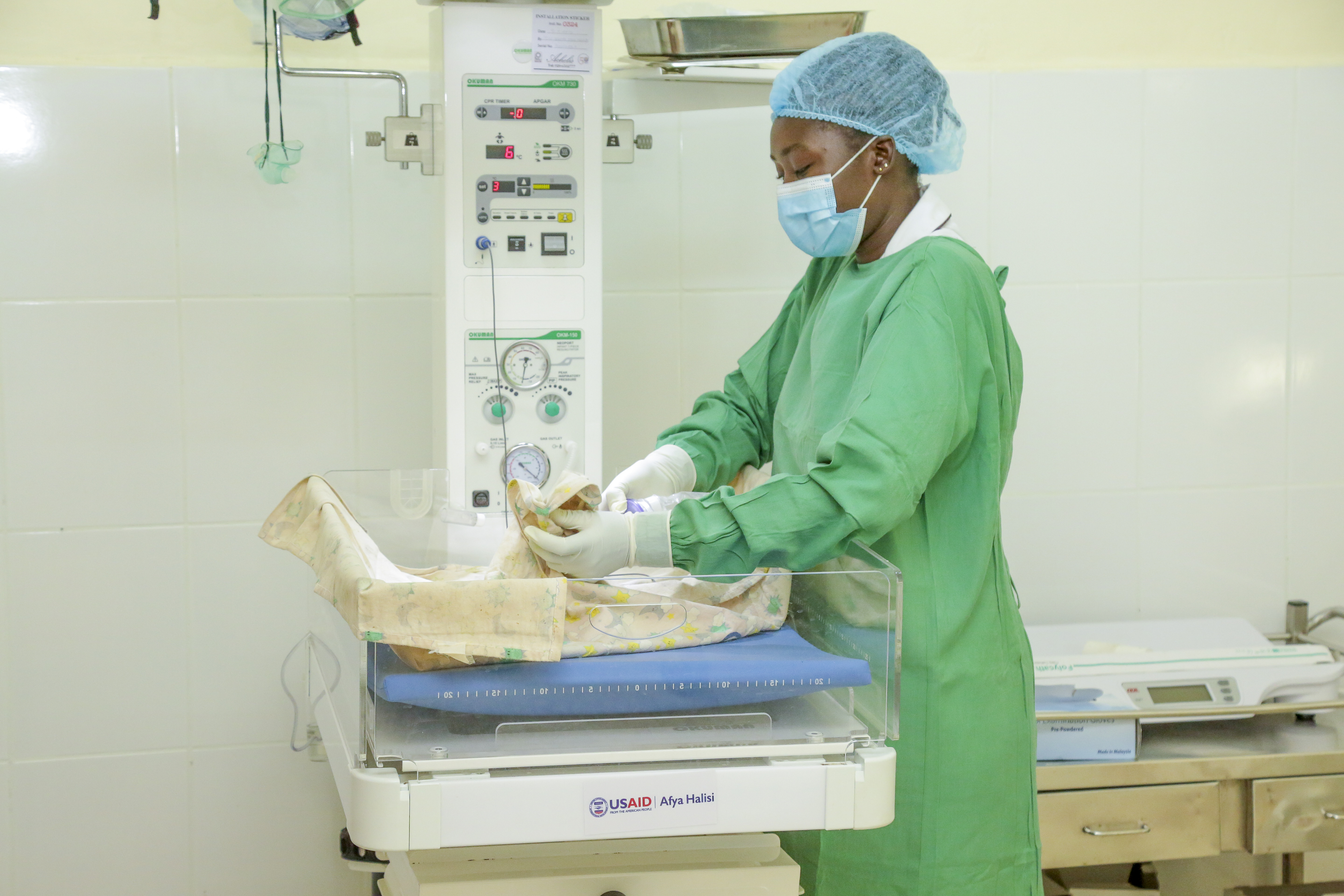
The gaps in care often result from the lack of participation in clinical trials for medicines that would solve some of the problems women face. Only three in ten participants in early-phase clinical trials are women. This omission dates back to 1962 after the thalidomide tragedy, when women gave birth to children with severe defects that were traced back to thalidomide, the medicine that was prescribed for morning sickness. In response, the US Food and Drug Administration (FDA) banned women of reproductive age from participating in clinical trials. Although the ban was lifted in 1993, pharmaceutical companies continued to avoid involving women, opting instead to test on men.
Yet women have hormonal cycles, fat distribution, and immune responses that affect how their bodies absorb and process medicine. Studies have shown that nearly 90 per cent of medicines commonly prescribed are metabolised differently in men and women. This results in women either not having medicine for their conditions or experiencing stronger adverse reactions than men. While not related to reproductive health, the pill Ambien (sold in Kenya as Zolpidem) was tested primarily on men. Years later, regulators found that women’s bodies absorbed the drug more slowly, resulting in women overdosing at the prescribed dose. It was only in 2013 when the FDA halved the recommended dose for women.
Kenya has embraced innovations in gynaecology and research. During COVID, the Ministry of Health developed a tool for hospitals in the country to check whether they were equipped to offer vaccines for pregnant women. With studies showing that research teams with women are 35 per cent more likely to develop treatments that serve women’s needs, Kenya has few crucial projects where women lead research.
Share this feature


