Double jeopardy for women as contraceptives dry up, and US destroys family planning supplies
With a paltry Ksh500m ($3.9m) budgetary allocation, accounting for half of previous budgets, Kenya’s public health system is experiencing contraceptive stockouts—placing thousands of women at risk of unintended pregnancies, unsafe abortions, and preventable maternal deaths.


Kenya is facing a contraceptive shortage, Defrontera has established, following the withdrawal of US and donor-backed funding—even as Washington destroyed contraceptives worth $10 million (KSh 1.3 billion) that had been earmarked for the developing world.
The Head of the Division of Reproductive and Maternal Health, Ministry of Health, Dr Edward Serem, exclusively told Defrontera the country’s supply of family planning products is running low. He identified this shortage as one of the challenges the division must “find a way to fix”, given the sharp reduction in donor support.
“If I call the Kenya Medical Supplies Agency, there are no commodities; that was an immediate thing,” said Dr Serem.
His grim assessment corroborates a review meeting on May 29 in Mombasa between the Ministry of Health and health NGOs—which Defrontera had exclusive access to—which revealed the status of contraceptives in Kenya as low.
Meanwhile, London’s Guardian newspaper reported the Trump administration had “opted to destroy nearly $10 million (Ksh 1.3 billion) worth of contraceptives intended for women in countries such as Kenya. MSI Reproductive Choices, a global family planning organisation that works in Kenya and over 30 other countries, attempted to purchase the contraceptives but was unable to raise the entire amount upfront. In addition, all USAID programmes that were reinstated in Kenya following the Stop-Work order returned with revised work plans that excluded family planning.
Family planning is one of the proven ways of preventing maternal mortality, which remains unacceptably high in Kenya, with more than 5,000 women dying each year. One way family planning saves lives is by allowing a woman’s body adequate time to recover before another pregnancy. Yet, Kenya is considered one of the family planning success stories in the developing world, turning the fertility rate from six to 3.3 births per woman in just one generation.
The World Health Organization recommends that pregnancies be spaced by at least two years following childbirth and at least six months after an abortion to allow women to heal and reduce the risk of complications. However, studies show that half of all pregnancies in Kenya occur within short intervals of less than 24 months after the previous birth—some even within a year.
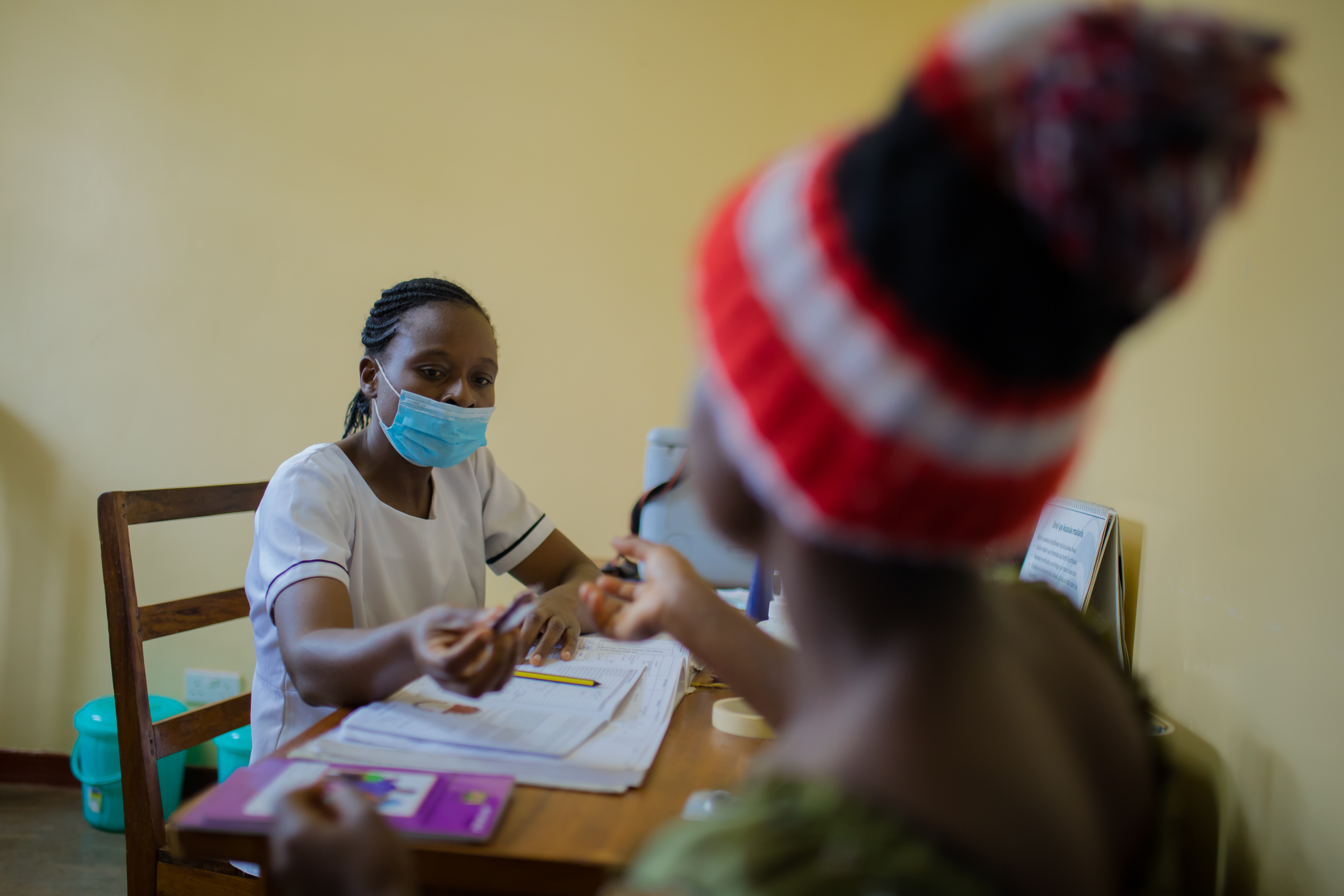
Contraceptives also help prevent maternal deaths by reducing the number of unplanned pregnancies, which often result in abortion. An African Population and Health Research Center (APHRC) report released in April 2025 estimated that “there was a total of 2,850,346 pregnancies in Kenya in 2023 ... and approximately 27.8 per cent ended in an induced abortion....” The report added: “The Kenyan regions with the highest unintended pregnancy rates also had the highest induced abortion rates, further supporting the argument that to control induced abortions, we must prevent unintended pregnancies and promote the use of family planning, particularly modern contraceptive methods.” Complications from abortion can range from mild uterine infections to severe outcomes such as coma, kidney failure, and other life-threatening conditions that may require hysterectomy or intensive care support. In some instances, the women die. The APHRC report that only three in ten women who had induced abortions—about 257,000 of the nearly 800,000—received medical care following the procedure.
Equitable and reliable
In addition to loss of life, abortion-related complications are costly. They are often treated as medical emergencies, requiring extended hospital stays, specialist care, and highly skilled health personnel. A 2018 APHRC report estimated that the cost of treating these complications in public health facilities was Ksh533 million (about $6.3 million). Adjusted for inflation, that figure stands at Ksh 917 million in 2025 (approximately $7.1 million), excluding costs related to facility operations—such as water, electricity, and cleaning—and other direct and indirect costs to women and their families.
Kenya’s health policies acknowledge the life-saving role of family planning. The country has made eight global commitments to improve the rate of modern contraceptive use among married women from 58 per cent to 64 per cent by 2030. However, funding from the national budget remains insufficient, forcing counties to depend on donors. According to the 2022 Kenya Demographic Health Survey, one in ten (14 per cent) sexually active women do not have access to modern contraceptives. There are wide disparities in access: just 2 per cent of women in Mandera and 3 per cent in Wajir have access to modern contraception compared to Embu at 82 per cent.
Although healthcare is devolved to counties, family planning remains a national function. Dr Serem explained that this arrangement stems from “the government ensuring quality”. Yet in the current budget, the national government allocated only Ksh500 million ($3.9m) for the procurement of family planning and reproductive health commodities—a 50 per cent reduction from the Ksh1 billion allocated in each of the past three years.
During the Mombasa meeting, Principal Secretary for Medical Services, Dr Ouma Oluga, said Kenya requires Ksh 3.2 billion ($25 million) annually to provide family planning services. On the Ministry’s X (Twitter) account, Dr Oluga stated, “To continue offering equitable and reliable access to family planning, the programme needs consistent and adequate funding.”
Share this feature


