'Super goats' enrich and feed women in arid Kenya
West Pokot has had the highest rate of malnutrition in Kenya, but goat farming and health education through support groups for mothers are making a dent, leading not just to healthier families but also to better livelihoods.


Regina Chelimo's two children are unmistakable.
While the younger one, an active five-year-old, is cheerful and hardly ever sickly, the eight-year-old is sluggish and often requires medical attention for fever. No medical professional has given her an explanation for the difference. However, after a lesson on nutrition in a support group for mothers, the mother of six is convinced that she now knows the cause of her eight-year-old child's ill health: She did not breastfeed him exclusively for the first six months of his life.
"When you see those children walking to school, you can tell how different they are from afar," said Regina.
Regina is one of the 22 women in the Kapkitony Mother to Mother Support Group in West Pokot, an arid county in Northern Kenya. The support group is an avenue to share the joys and pains of motherhood and family.
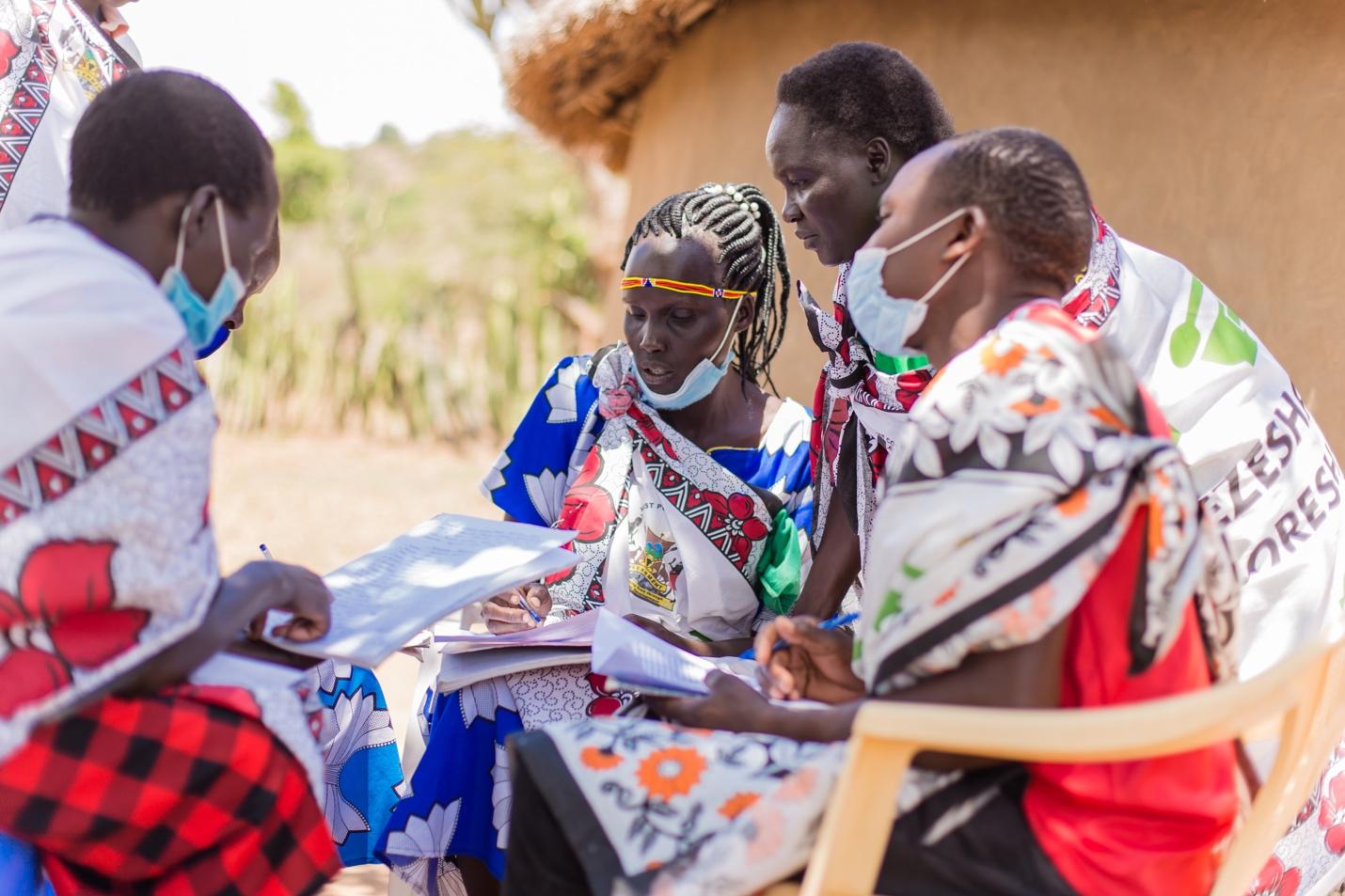
West Pokot County government often sends nutritionists and public health officers to join the gatherings and share lifesaving knowledge. They teach the women the importance of a balanced diet and the need to visit health facilities throughout pregnancy. The nutritionists also tell the women why they should take their babies for vaccination and why and how to breastfeed their babies for the first six months of life.
Before she joined the support group, Regina knew little about exclusive breastfeeding. She ignored what she ate when she was expectant and did not care much for what she fed her children. That changed when she joined the Kapkitony Mother to Mother Support Group, founded more than five years ago.
"I have a baby who is eight months old now, and I have tried to adhere to everything that the nutritionist said because I know now that what my family and I eat affects our health," she said.
Jane Limangu'ura, the head of nutrition in West Pokot County, told DeFrontera that these lessons are among the many strategies to tame the high levels of malnutrition in West Pokot County. However, applying them is often more complicated than it seems due to the socio-economic status of many households. According to the Kenya Institute for Public Policy Research and Analysis (KIPPRA), more than half (57.4 per cent) of the people in West Pokot live on less than a dollar a day, with too little money to buy nutritious meals.
Moreover, while many are willing to venture into agriculture, most parts of the county are dry, dimming hopes of growing vegetables and cereals. These circumstances, and a fragile health system struggling to gain footing after many years of systemic neglect, have contributed to the county's high levels of malnutrition. As a result, nearly half (46 per cent) of children under the age of five in West Pokot are too short for their age, the highest stunting rate among the 47 counties, according to the 2014 Kenya Demographic Health Survey.
This was the context of most of Regina's life, but not anymore. Not only has her family's nutrition improved, but her economic status has also improved, driven by efforts to improve women's livelihoods. In July 2020, the county sought help from the nonprofit Action Against Hunger (ACF) because, as Jane, the head of nutrition, told DeFrontera, varied strategies address the complex factors that cause undernutrition. The organisation presented an attractive proposal to the women's group: Name an economic activity and get ACF support to make it a reality. The group chose to rear a type of goat that would endure the harsh climate and give them milk and money when sold: Galla goats.
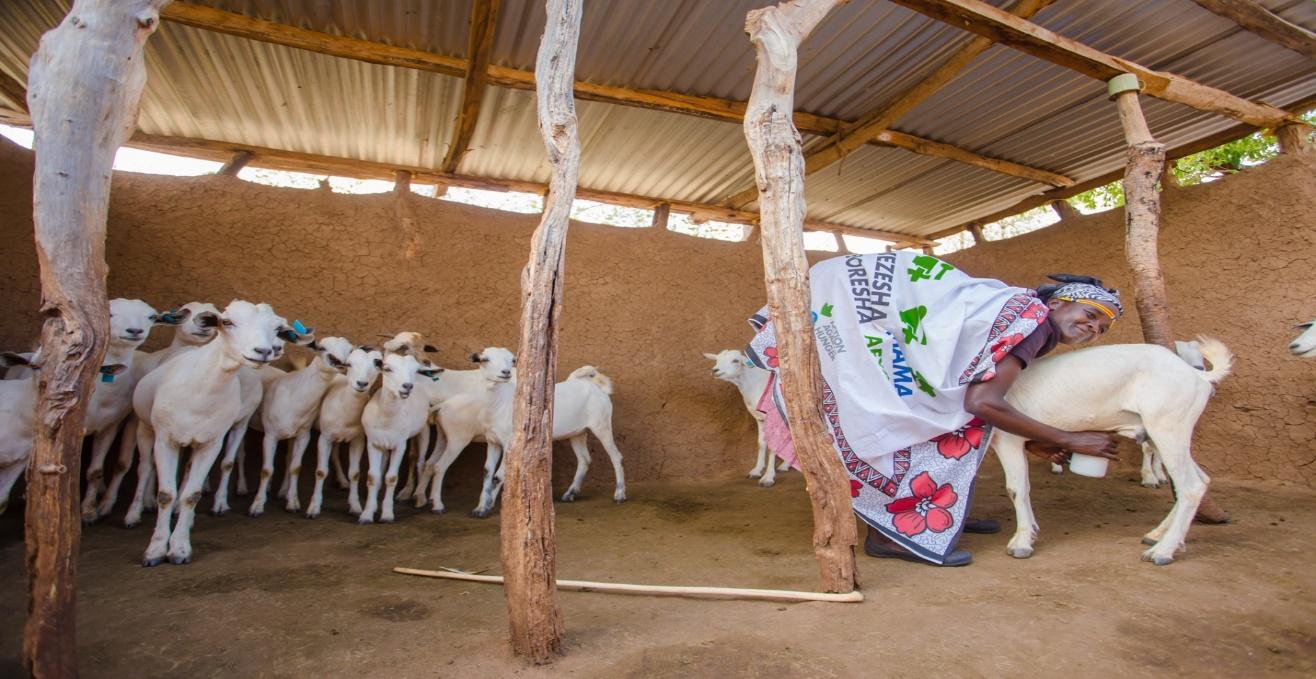
Most of the women had tried rearing livestock before. However, they preferred goats over chickens because they knew that when one bird fell sick, it infected the entire brood, wiping it out in a day.
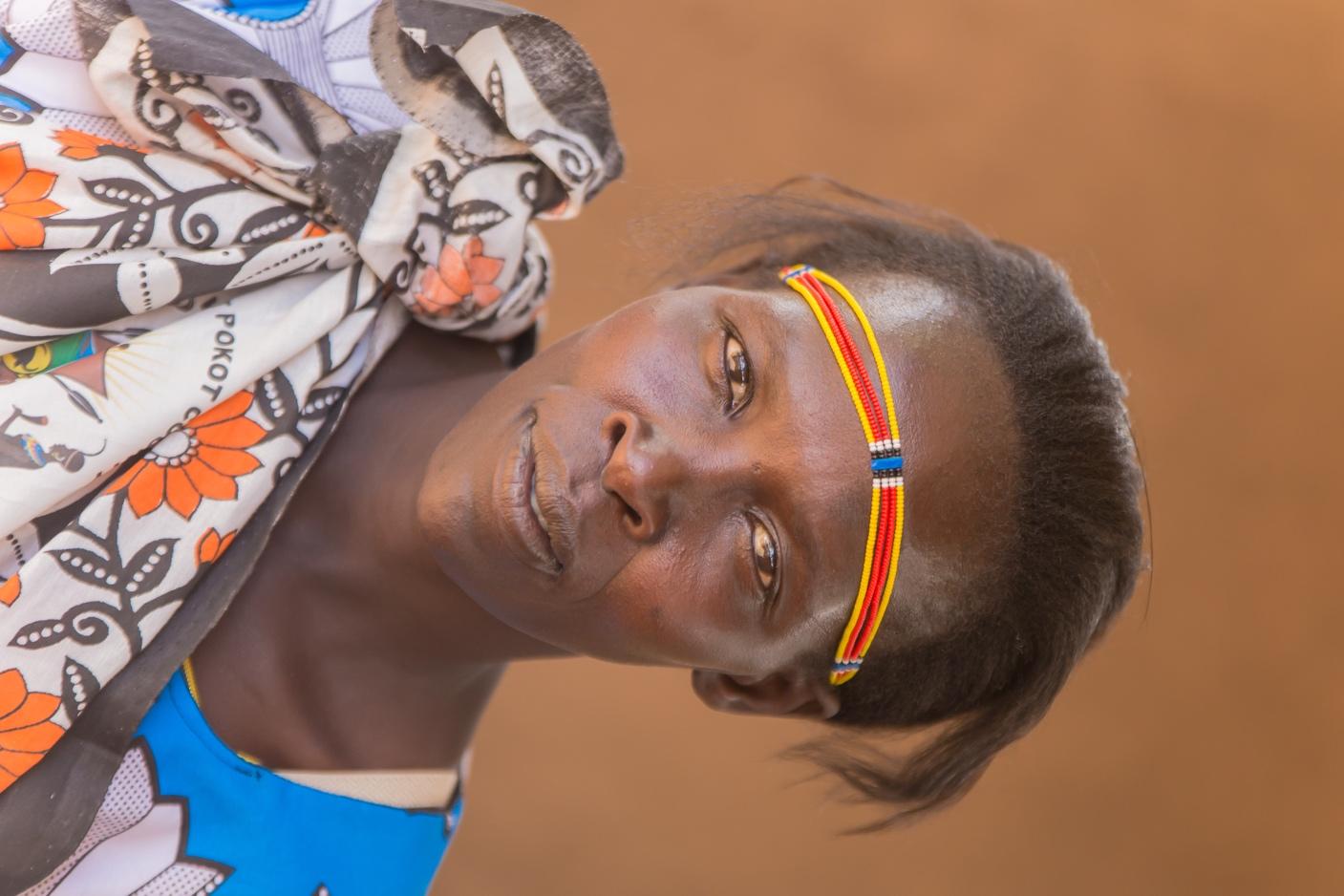
ACF gave the group Ksh86,500 (about $700) to expand their flock. The group bought 16 white goats numbered with blue plastic ear tags. The goats bring in food and money.
"We milk them, and the milk is abundant, I should say," Regina said.
Interventions such as health education in mother-to-mother support groups and livelihoods support are part of why malnutrition dropped from 46 per cent in 2015 to 35 per cent in 2020. In 2011, CGIAR, a global partnership focused on agricultural research for food security, piloted a similar project to uplift seven villages in western Kenya. CGIAR reported that the Galla goat "...is known for its resilience to drought, resistance to internal parasites, heat stress and diseases. Their feed intake is less, with higher growth rates (two to three times in weight), maturing twice faster than the local goats, thus attracting higher market demand and offering quick and more returns to farmers. They are also known for their twinning characteristics."
At the time of the interview, Regina's animals were pregnant, giving birth twice every year. A goat retails for Sh6,000, and butchers buy at least five from the women. The money helps the women buy other household goods they cannot grow (such as sugar, corn flour or cooking oil) and pay their children's school fees and healthcare bills, but the group has bigger ambitions than food and household goods.
Share this feature

